
Open Die Vs Closed Die Forging
Which one is right for your project?
Choosing the right forging method is crucial when manufacturing metal components. Not all parts are the same, and the forging technique influences strength, durability, and performance under pressure.
At B.B. Price, we have over 140 years of experience with Open Die Forging, creating components that withstand tough applications. So, how does Open Die Forging stack up against Closed Die Forging? How do you decide which method is best for your project? Let’s break it down.
A quick look open die vs closed die forging
Forging is one of the oldest and most reliable methods for shaping metal. By applying heat and pressure, we refine the metal’s internal grain structure to match the part’s shape.
This creates a component that is stronger, more durable, and better at handling stress compared to cast or machined parts. Both Open Die and Closed Die Forging provide these benefits, but they do so in different ways. This difference can impact everything from cost to performance.
What Exactly Is Open Die Forging?
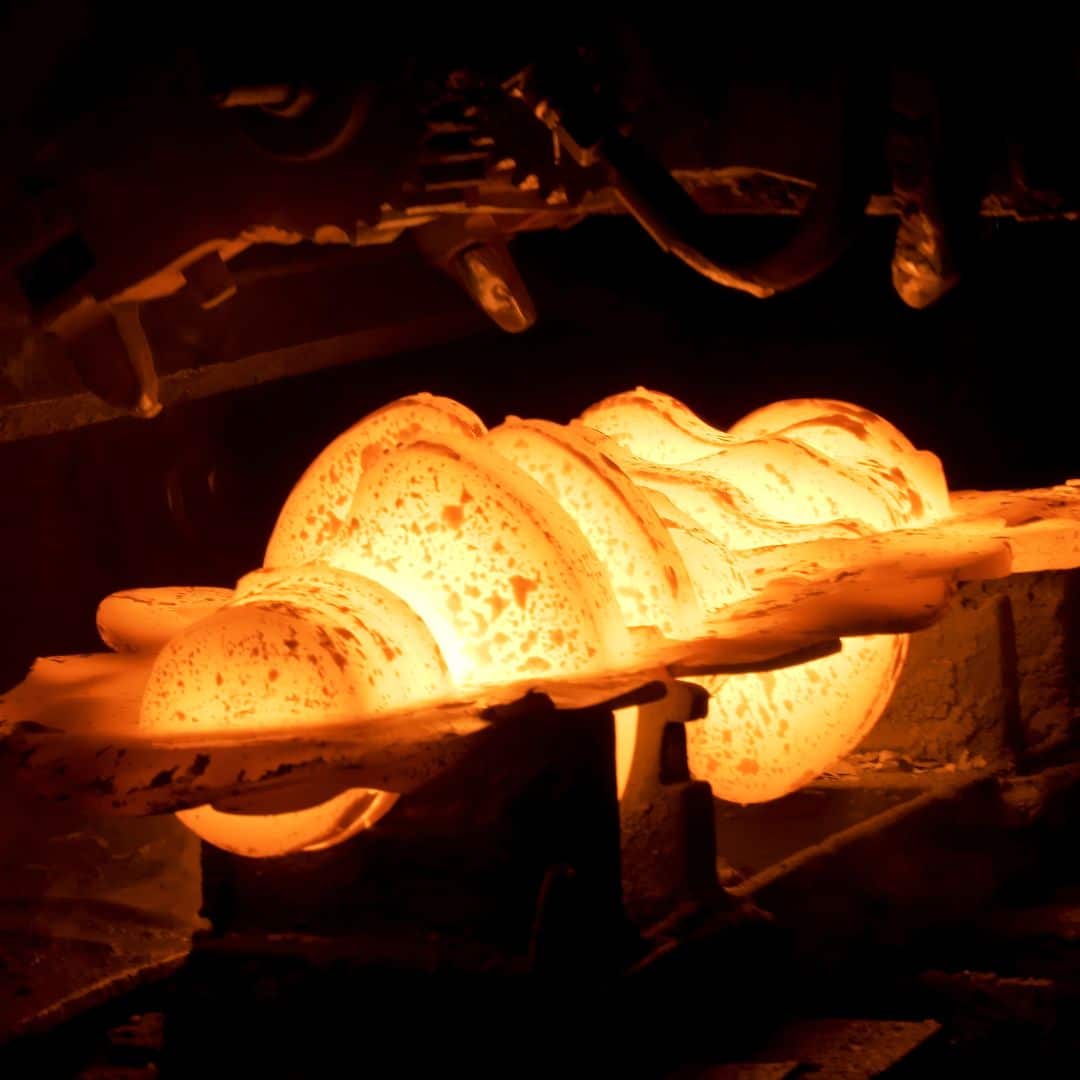
Open Die Forging, sometimes called free forging, is a process where a heated metal billet is shaped between flat or slightly contoured dies that do not fully enclose it.
Instead of pressing the metal into a mold, the workpiece is moved, rotated, and hammered into shape. This flexibility allows skilled operators to create large, simple, or custom parts that require exceptional strength.
At B.B. Price, our Open Die Forging process employs hydraulic presses and hammers to apply precise pressure at high temperatures, typically between 1,200°C and 1,250°C. Each strike of the press or hammer is carefully controlled to ensure the metal’s internal grain flows in the right direction, providing the final part with incredible structural integrity.
Why Open Die Forging Works
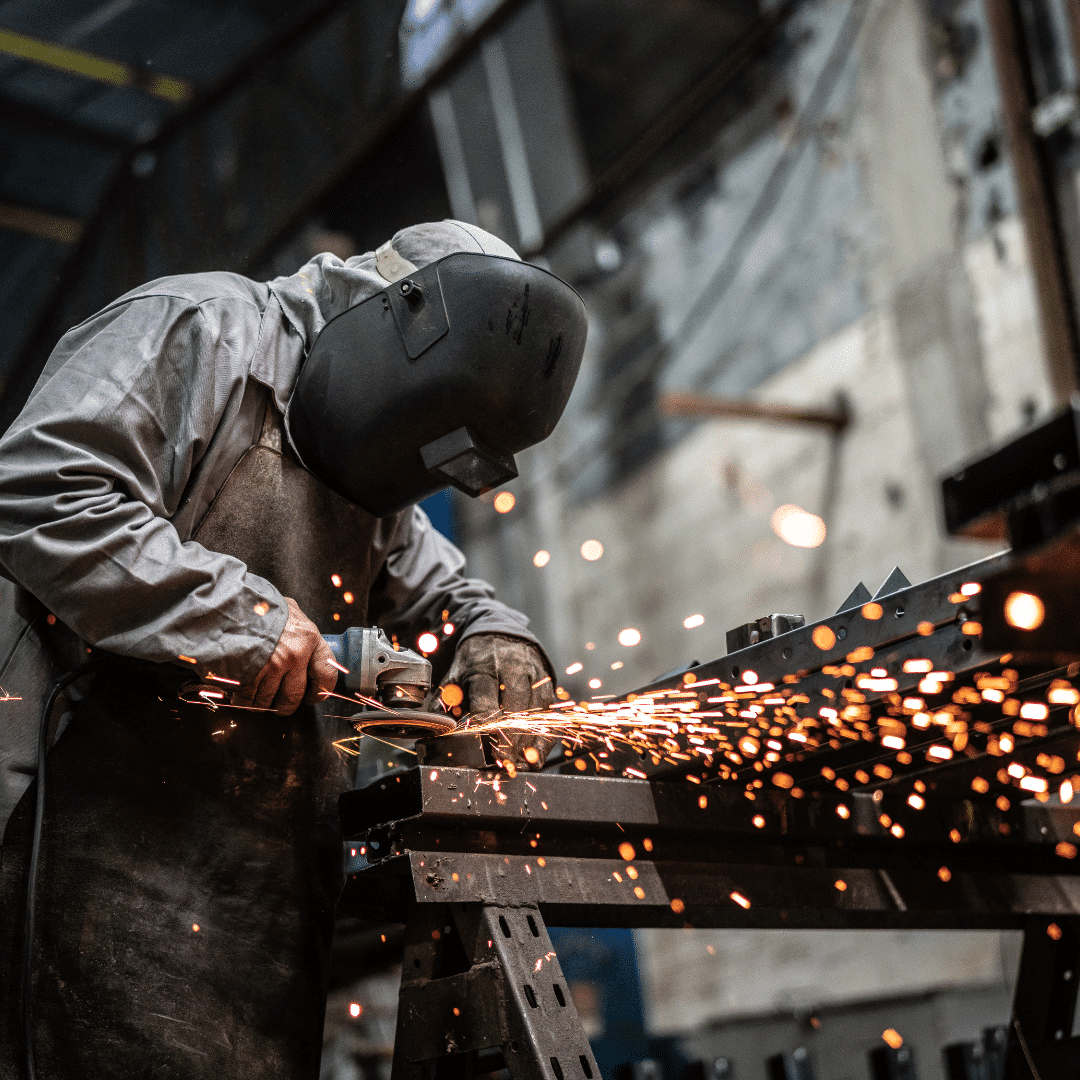
The main advantage of Open Die Forging is its ability to improve the metal’s internal structure. By following the part’s shape, the metal’s grain flow enhances fatigue resistance, toughness, and overall strength. This process also reduces internal voids and defects, which can occur in cast parts. Since the dies do not need to be custom-made for each shape, Open Die Forging is cost-effective for low-volume production and custom components.
Where Open Die Forging Is Commonly Used
You’ll often find Open Die Forging used for:
- Shafts and rotors for power generation
- Marine and offshore components
- Infrastructure and rail hardware
- Heavy machinery parts
Basically, anywhere a component needs to handle high stress or extreme conditions, Open Die Forging is often the preferred choice.
What About Closed Die Forging?
Closed Die Forging, also known as impression, die forging, takes a different approach. In this method, the heated metal is placed in a die that fully surrounds it. When the die closes, the metal flows to fill the cavity, matching the Mold’s shape precisely. This technique is excellent for creating smaller, more complex parts that need tight tolerances and consistent shapes.
Closed Die Forging is commonly used in industries where precision matters, such as automotive, aerospace, and industrial equipment manufacturing. Parts like gears, levers, connectors, and high-precision fasteners are often produced this way. This method is also ideal for medium- to high-volume production because the dies can be reused for multiple components.
How to Decide Between Open Die and Closed Die Forging?
So, how do you determine which forging method is right for your project? Here are some general guidelines:
- Size and Shape: Large, simple components are Open Die Forging. Smaller, intricate components are Closed Die Forging.
- Volume: One-off or low-volume projects are Open Die Forging. High-volume productions are Closed Die Forging.
- Precision: If tight tolerances are critical then its Closed Die Forging. If some machining afterward is acceptable its Open Die Forging.
- Cost: Lower tooling costs and faster setup means Open Die Forging. Higher upfront tooling investment but faster per-part production is Closed Die Forging.
Why B.B. Price Excels in Open Die Forging
At B.B. Price, we focus on Open Die Forging because it allows us to create strong, high-integrity components that meet the demanding needs of industries like energy, rail, marine, offshore, and heavy engineering. We blend decades of traditional forging experience with modern hydraulic presses and precision control to ensure every part is strong, reliable, and ready for its intended use.
Every component we produce undergoes strict quality checks, heat treatment, and material testing, so you can trust that the parts you receive will perform as expected.
Final Thoughts on Open Die vs Closed Die Forging
Both Open Die and Closed Die Forging have their roles in modern manufacturing. The right choice depends on the size, complexity, production volume, and performance needs of your part. If your project requires large, durable, high-performance components, Open Die Forging is often the better option. At B.B. Price, we have the experience, equipment, and expertise to deliver the best possible results.
Why Choose B.B. Price for open die & closed die forging?
For over 100 years, B.B. Price has been a leading metal fabricator in the UK, delivering high-quality, precision-engineered products across various industries.
Our team of expert fabricators is fully certified and skilled in working with materials up to 12 metres in length. Whether you need standard steel components or custom-made fabrications, we have the expertise and technology to meet your needs.
What IS Open & Closed Die Forging: Get Your Free Quote Today
B.B. Price is your trusted Open & Closed Die Forging specialists. Based in Halesowen in Birmingham, we provide custom services across the country, from London and Nottingham to Manchester and beyond.
Whether you need small fittings, stainless steel components, or large-scale components, we’ve got you covered. Contact us today for a consultation and let B.B. Price bring your project to life with precision and accuracy.