
Hazards of Forging: What Are They?
Forging can be a dangerous profession with hazards surrounding workers on a daily basis. There are ways in which these hazards can be avoided or reduced through protective methods and PPE.
Unfortunately, people who work a lifetime in the forging industry will often leave with scars and burns from their professional life as not everything can be avoided. Known as ‘blacksmiths’, this has always been a hard working but dangerous profession with risks and hazards being clear in a number of different ways.
Common Hazards of Forging
Some of the more common hazards of forging are burns and smoke/gas poisoning. Working in an industry where smoke or gas are in the surrounding atmosphere all day is damaging, but protective clothing and equipment can reduce this possible damage slightly. It is key to take frequent breaks in the fresh air.
Other possible hazards include:
- Cuts and scrapes
- Crushed fingers
- Sight or hearing damage
- Repetitive strain in the elbow
- Knee strain (due to standing for long hours)
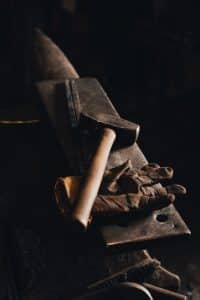
Hazard Protection in the Workplace
As preventative measures against these hazards, those who work in forging can use PPE to help reduce the likelihood of getting cut, crushing fingers, or damaging their sight or hearing.
Common PPE used includes:
- Goggles – reduces any sight damage
- Earplugs – reduces any hearing damage
- Apron – these are thick to help prevent burns on the skin
- Long sleeves – these protect arms from flying materials
- Fire-resistant gloves – helps protect your hands from hot materials
- Closed-toe, steel-capped boots – protect your feet from hot materials or heavy machinery/materials being dropped
These cannot always prevent the damage or harm caused but are a method of reducing any permanent damage should there be an accident in the workplace.
Browse our Product Range
B.B. Price have been in the forging industry for nearly 150 years and have a heritage to be proud of. With a vast wealth of experience and knowledge, we are able to provide the highest quality products, made with the best quality materials in the correct forged manner.
Find out more about our product range here and contact us today with your queries. Our processes and the sectors we supply can be explored on our website too!
We look forward to hearing from you!